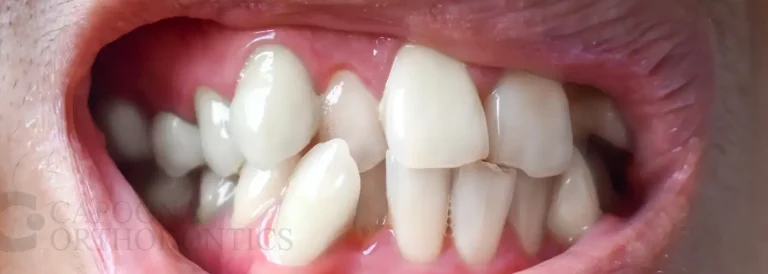

Choosing braces can be confusing when there are two treatments that appear to do the same thing. Ceramic braces and Classic braces both help to straighten teeth, close gaps, reduce crowding and correct bite problems. The key difference is easy to see. Traditional braces use metal brackets . Ceramic braces use clear or tooth colored brackets that blend in with your teeth . Some like the familiar look and strength of metal braces. Others want less obvious braces. Capogna Orthodontics patients can discuss both options and find out which type is best for their teeth and lifestyle.
Ceramic Braces vs. Classic Braces: What’s the Difference in Comfort, Look, and Daily Care?
Braces become part of everyday life for several months, so it helps to think beyond appearance.
Classic braces are strong and can handle normal daily wear well. This is one reason parents often choose them for teen braces.
Ceramic braces may be preferred by people who do not want metal brackets to be the first thing others notice. Adults, college students, working professionals and older teens often ask about them.
Both types need regular brushing, careful eating, and visit to the orthodontist.
What Are Classic Braces?
Classic braces are the traditional metal braces most people know. They use small metal brackets and wires to move teeth.
Metal braces have been used for many years. They’re strong and can fix many kinds of tooth and bite problems.
Some benefits of classic braces include:
- Metal brackets are strong.
- They stay on their teeth all day.
- You do not have trays to remove or lose.
- They can be used for many bite and spacing problems.
- Children, teenagers, and adults can wear them.
- Teens can choose different elastic colors.
You can link Classic Braces to the related treatment page on the Capogna Orthodontics website.
Ceramic Braces vs. Classic Braces for Teen Braces
Parents looking for teen braces often ask which type is better.
Traditional braces are a common option for many teens, due to their simplicity and strength. They remain bonded to the teeth. There is nothing to take out before eating and nothing to remember to put back in.
Ceramic braces can appeal to teens who do not want their braces to stand out in school, photos, family events, or social situations.
Some teenagers may also ask about Invisalign Teen. Removable aligners are different because the patient has to remember to wear them for most of the day.
For a teen who often forgets things, fixed braces may be easier to manage.
Which Type of Braces Is Stronger?
Metal wins when it comes to strength.
The brackets used with classic braces are designed for everyday chewing and normal wear. Ceramic brackets can also be good but they need more care.
This matters for people who play sports, eat a lot of crunchy foods, or have habits such as chewing pens or biting their nails.
That does not mean ceramic braces are weak. It simply means you need to be more careful with them.
Which Braces Are Easier to Keep Clean?
Both types need the same basic routine.
Brush around the brackets, clean along the gumline, and make sure food does not stay trapped under the wire.
Braces can make flossing take longer, but floss threaders or small interdental brushes can help make it easier.
You should also watch what you eat. Hard, sticky, and chewy foods can pull brackets loose.
This is a good place to add an internal link to Eating With Braces.
Ceramic Braces vs. Classic Braces: Which One Should You Pick?
There is no one choice that works for everyone.
You may prefer Classic braces if you want strong brackets and do not mind seeing metal when you smile.
You may prefer Ceramic braces if you want fixed braces that blend better with your teeth.
Before choosing, think about:
- How visible you want your braces to be
- Your age
- Your eating habits
- Sports or other daily activities
- How crowded your teeth are
- Gaps between your teeth
- Your bite
- How well you brush and floss
An orthodontic consultation can help you understand what makes sense for your teeth instead of choosing only by looks.
Ceramic Braces or Clear Aligners?
People who want less visible treatment often compare ceramic braces with clear aligners.
Ceramic braces stay fixed to the teeth. Clear aligners can be removed.
That difference matters.
With clear aligners, you have to remember to put them back in after eating or brushing. With ceramic braces, the brackets stay in place all day.
Some people like the freedom of removable trays. Others prefer not having to keep track of them.
Your teeth and bite will also play a part in what your orthodontist recommends.
Looking After Your Teeth While Wearing Braces
Braces can trap small pieces of food, so cleaning your teeth well becomes even more important.
Paint around each bracket and along the gum line. Use floss daily to clean between your teeth. If it is stuck, take it out gently, not with sharp objects.
Steer clear of chewing ice, hard candy, popcorn kernels, and sticky sweets.
If a bracket comes loose or a wire starts poking your cheek, contact the orthodontic office.
This section gives you natural places to link Orthodontic Emergencies, Eating With Braces, and Custom Retainers.
FAQs
1. Do ceramic braces work like classic braces?
Yes. Both use wires and brackets to move teeth.
2. Can people see ceramic braces easily?
They are less noticeable because the brackets are clear or tooth-colored.
3. Are classic braces good for teens?
Yes. Classic braces are often used for teen braces because the brackets are strong and stay fixed.
4. Can ceramic braces break?
They can break if too much pressure is placed on them, so hard foods should be avoided.
5. Which braces should I choose?
Your orthodontist can check your teeth and bite and explain which type fits your needs better.